
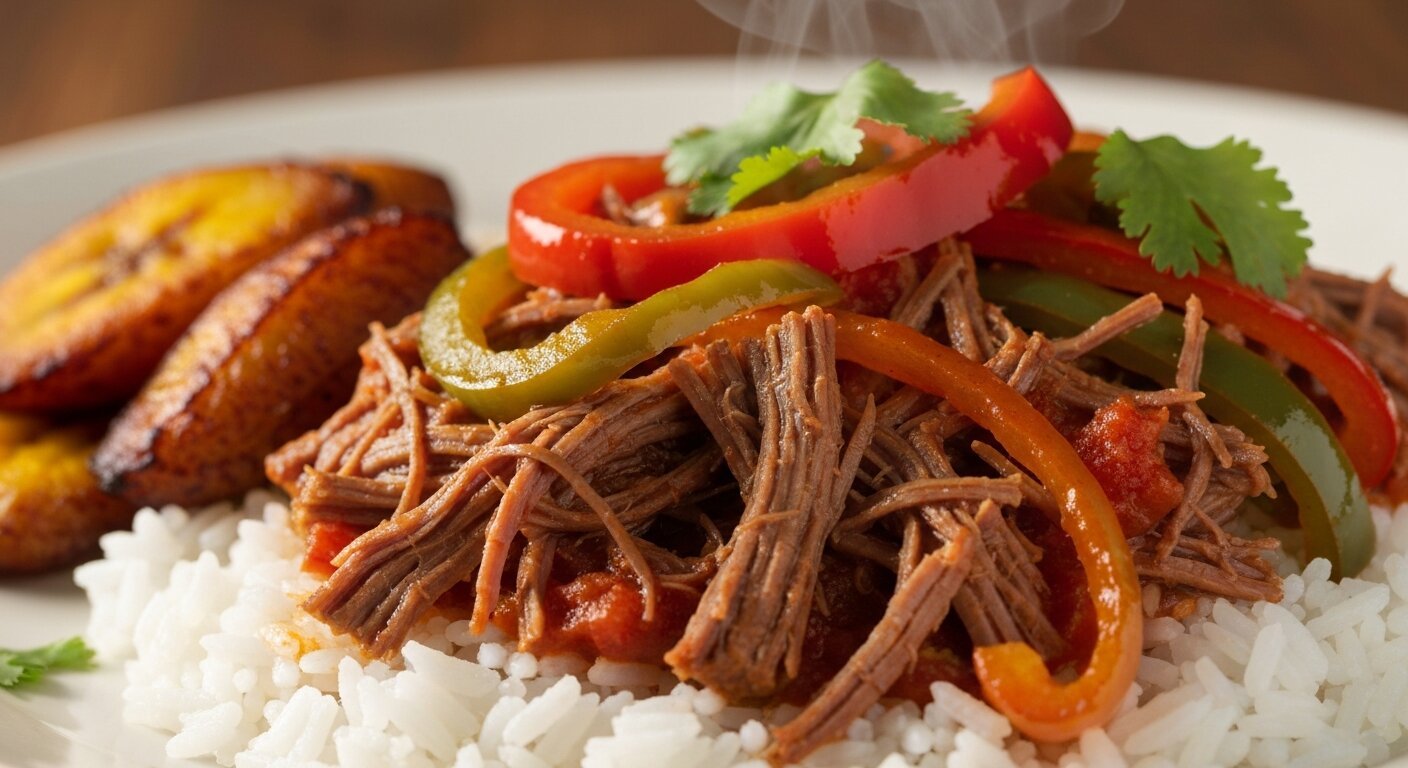
Beef braised until it falls into tender strands, simmered into a sweet-savory pepper-and-tomato sofrito — ropa vieja means “old clothes,” and Cuba’s national dish wears its ragged name with pride.
The name is a joke that stuck: shredded beef in a rich sauce is supposed to look like a pile of colorful old rags. It’s humble-sounding food with deep flavor — flank steak simmered low until it surrenders, then folded into a sofrito of onions, peppers, garlic, and tomato brightened with olives and capers. Serve it over white rice with fried sweet plantains and you have the plate that defines Cuban home cooking. Best of all, it’s mostly hands-off and even better the next day.
Before You Braise the Beef
- Ropa vieja is Cuba’s national dish — shredded beef stewed in a tomato-pepper sofrito.
- The name means “old clothes,” for the way the shredded strands resemble a pile of colorful rags.
- Flank or skirt steak is traditional — braise it low and slow, then shred with the grain into long strands.
- The sofrito (onion, bell pepper, garlic, tomato) is the flavor base of Cuban cooking — don’t rush it.
- Olives and capers are the classic finish; serve over rice with plantains. Total: about 3 hours, mostly unattended.
From Sephardic Legend to Cuban Icon
Ropa vieja traveled to Cuba from Spain, and its origins carry a piece of folklore: a popular tale tells of a poor man in the Spanish Middle Ages, too broke to feed his family, who shredded and cooked his own worn-out clothes — and prayed over the pot until they miraculously turned into a hearty meat stew. The dish is widely traced to the Sephardic Jewish communities of medieval Spain, a make-ahead braise ideal for the Sabbath, and it spread through the Canary Islands to the Caribbean with Spanish settlers.
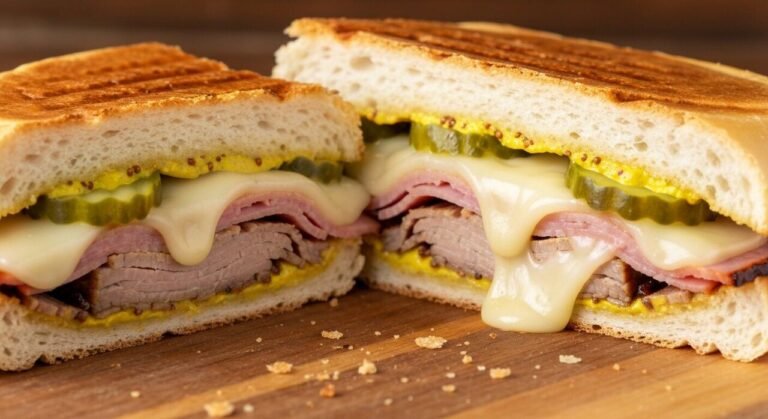
In Cuba it found its permanent home. The island’s sofrito, its love of cumin and olives, and the everyday economy of stretching one affordable cut into a meal for a family made ropa vieja a national staple — and eventually the national dish. It belongs to the same Cuban table as the mojo-marinated pork of a Cuban sandwich: humble ingredients, patient technique, big flavor. Versions now appear across the Caribbean and in Miami’s Cuban restaurants, but the soul stays the same — beef, sofrito, time.
A dish named after rags, promoted to national treasure — that’s Cuban cooking in one pot.
Pick the Right Cut
| Cut | Character | Verdict |
|---|---|---|
| Flank steak | Long, distinct grain; shreds into classic strands | The traditional first choice |
| Skirt steak | Richer, beefier, a touch more fat | Excellent — many Cubans prefer it |
| Chuck roast | Fattier, falls apart easily | Works; strands are shorter and softer |
| Brisket | Very tender when slow-cooked | Fine substitute; slice against grain first |
Braise Low, Shred With the Grain
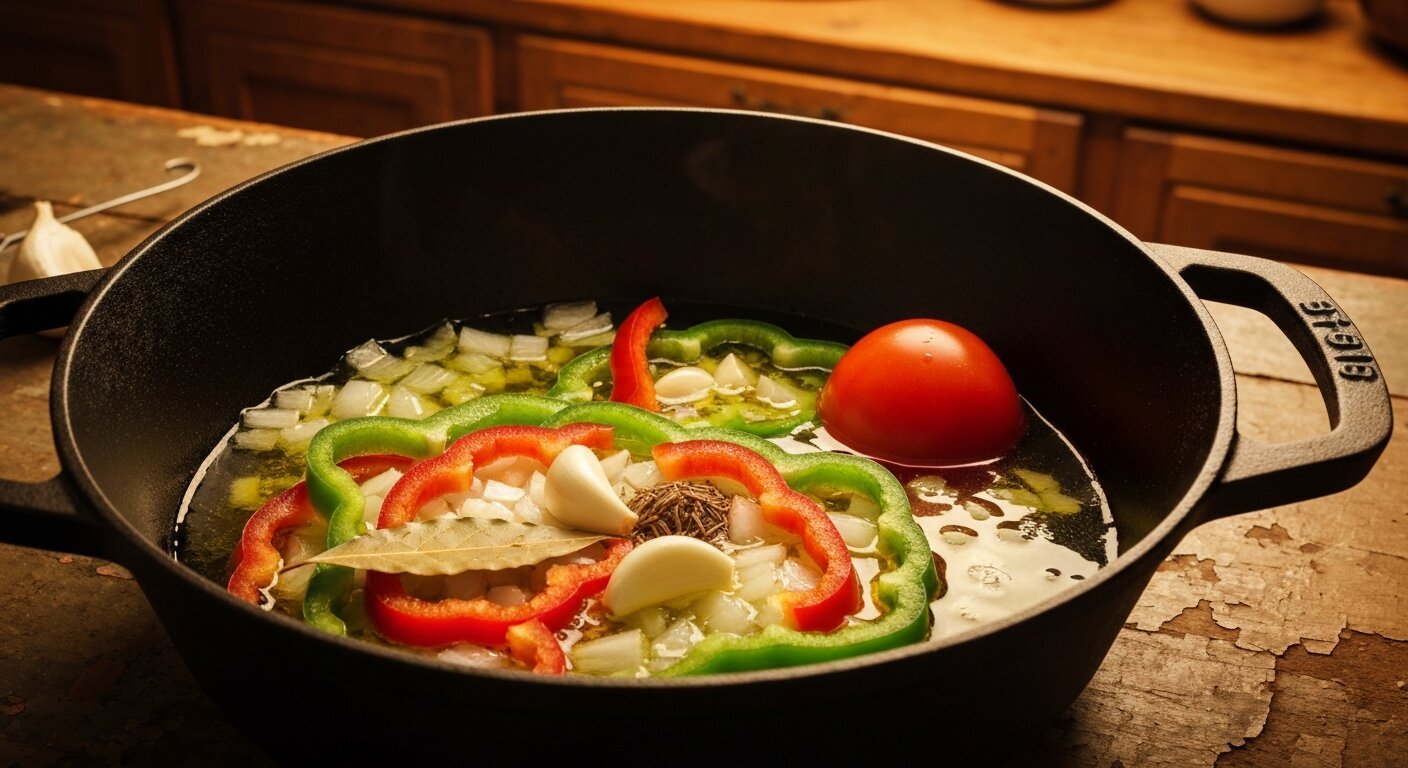
Two moves make or break ropa vieja. First, the braise: simmer the flank steak gently with onion, garlic, and a bay leaf until it’s completely fork-tender — about two hours — and save some of that beef-rich liquid, because it becomes the backbone of the sauce. Rushing the braise with high heat only toughens the meat; low and slow is the entire assignment.
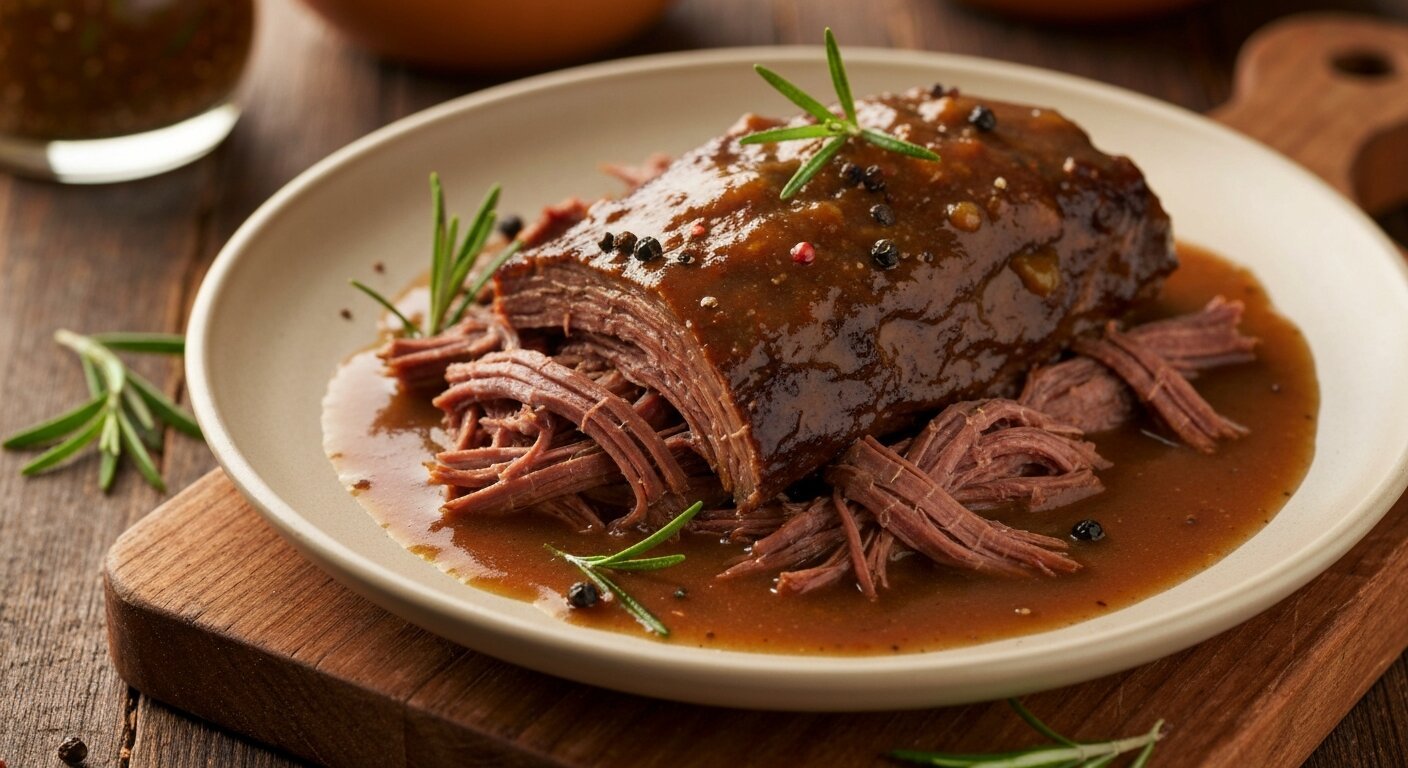
Second, the shred: pull the cooled beef into long strands with the grain, not into chunks. Those ragged strands — the “old clothes” — catch and hold the sofrito in a way cubes never could. Fold the shredded beef back into the pepper-tomato sauce with a splash of the braising liquid and let it simmer uncovered until the sauce clings to every strand, then finish with olives and capers. Like most great braises, it deepens overnight, so make it a day ahead when you can.
Good to Know
Ropa Vieja Wisdom
- Make it ahead — the flavors marry and deepen overnight; it’s arguably better as a next-day leftover.
- Don’t skip the olives and capers — their briny pop cuts the richness and is authentically Cuban.
- Save the braising liquid — it’s concentrated beef flavor; a cup of it in the sauce beats plain water every time.
- Slow cooker friendly — braise the beef 8 hours on low, shred, then finish the sofrito on the stove.
- Serve the traditional way — white rice, black beans, and sweet fried plantains make it a complete Cuban plate.
Watch It Made
Sometimes one minute of watching beats a page of reading — see the braise-and-shred in motion, then scroll on for the full recipe card.

Video walkthrough via YouTube — tap to play (nothing loads until you do).
The Continental Table Recipe
Cuban Ropa Vieja
Ingredients
The beef
- 2½ lbs flank or skirt steak
- 1 onion halved, 3 garlic cloves, 1 bay leaf
- 1 tsp salt
- 8 cups water or beef broth
The sofrito & finish
- 3 tbsp olive oil
- 1 onion sliced; 1 red + 1 green pepper, in strips
- 4 garlic cloves, minced
- 14 oz crushed tomatoes + 2 tbsp tomato paste
- 1 tsp cumin, 1 tsp oregano, ½ tsp smoked paprika
- ½ cup white wine (optional)
- ½ cup olives + 2 tbsp capers
- Rice & fried plantains, to serve
Method
- Braise the steak with onion, garlic, bay, and salt, covered, ~2 hours until fork-tender. Reserve 1½ cups liquid.
- Shred the cooled beef with the grain into long strands.
- Sofrito: soften onion and peppers in olive oil 8 minutes; add garlic 1 minute.
- Sauce: add tomatoes, paste, spices, and wine; simmer 5 minutes.
- Combine: return the beef with the reserved liquid; simmer uncovered 25–30 minutes until the sauce clings.
- Finish with olives and capers; serve over rice with plantains.
The Pot That Defines a Cuisine
Ropa vieja is Cuban cooking distilled: an affordable cut, a patient braise, a soulful sofrito, and a briny finish, all stretched into a generous meal. Braise it low, shred it with the grain, let the sauce reduce until it hugs every strand, and — if you can wait — make it a day ahead. Serve it the island way with rice and plantains, and you’ll understand why a dish named after old rags became a country’s pride.
Quick Answers
What is ropa vieja?
Cuba’s national dish — beef braised until tender, shredded into strands, and simmered in a tomato-and-pepper sofrito with olives and capers, served over rice.
Why is it called “old clothes”?
The shredded beef in colorful sauce is said to resemble a pile of ragged old clothes — and a Spanish folk tale tells of a man who cooked his own clothes into a stew.
What is the best beef for ropa vieja?
Flank steak is traditional for its long grain and classic strands; skirt steak is richer and many prefer it. Chuck or brisket also work.
Can I make ropa vieja in a slow cooker?
Yes — braise the beef 8 hours on low, shred it, then finish the sofrito and sauce on the stovetop before combining.
What do you serve with ropa vieja?
The classic Cuban plate: white rice, black beans, and sweet fried plantains.
Leave a Reply
Join the conversation
You need an account to leave a comment.