
Tangy, crunchy, faintly fizzy fermented cabbage — the bright Salvadoran slaw that turns a good pupusa into a great one, and rides two of 2026’s biggest food trends at once.
If you’ve ever eaten a pupusa, you’ve almost certainly met curtido — the mound of pale-green, lightly fermented cabbage piled on the side. It’s the sharp, crunchy foil to all that warm masa and melted cheese, and in El Salvador the two are inseparable. But curtido deserves the spotlight on its own: it’s easy, nearly free to make, keeps for weeks, and happens to sit right at the center of what everyone’s cooking this year.
Before You Shred the Cabbage
- Curtido is a lightly fermented Salvadoran slaw of cabbage, carrot, onion, and oregano in a tangy brine.
- It’s the traditional partner to pupusas — but it’s brilliant on tacos, grilled meats, beans, and bowls too.
- You can ferment it the traditional way (a few days on the counter) or make a quick vinegar version in an hour.
- Like sauerkraut and kimchi, real curtido is a probiotic, gut-friendly ferment — which is exactly why it’s trending.
- It’s cheap, keeps for weeks, and gets better as it sits.
The Slaw That Belongs to the Pupusa
You can’t tell the story of curtido without pupusas. El Salvador’s famous stuffed masa cakes are rich, soft, and savory — and they cry out for something sharp and crunchy alongside. Curtido is that something. Generations of Salvadoran cooks have kept a jar of it going, ladling a tangy tumble of cabbage over each pupusa along with a thin tomato salsa. The pairing is so fixed that a pupusa without curtido feels, to many, only half-finished.
The technique itself is old and global: take cabbage, salt it, and let time and beneficial bacteria do the rest. Nearly every cuisine has a version — Germany has sauerkraut, Korea has kimchi, and Central America has curtido. What sets curtido apart is its brightness: less funk than kraut, less heat than kimchi, lifted with oregano and just a whisper of chile. It’s the gentlest gateway into fermenting there is.
A pupusa without curtido feels only half-finished — the slaw is the bright half of the whole.
Fermented or Quick? Two Ways to Curtido
There are two honest ways to make curtido, and both are “right.” The traditional version is a true ferment: you salt the cabbage, submerge it in brine, and leave it on the counter for a couple of days while wild bacteria turn it tangy and lightly fizzy. The quick version skips the wait — a splash of vinegar delivers the sour note in about an hour. One gives you depth and gut-friendly probiotics; the other gives you speed. Pick based on how much time (and patience) you have.
| Version | Method | Time | Character |
|---|---|---|---|
| Fermented (traditional) | Salt-water brine, room temp | 2–3 days | Tangy, complex, probiotic |
| Quick (vinegar) | Vinegar brine, chilled | 1 hour+ | Bright, crisp, sharp |
Why Cabbage Is Having a Moment
Curtido has been made in Salvadoran kitchens for generations, but it’s landing at the perfect time. Cabbage is the breakout ingredient of the year — humble, cheap, endlessly versatile — and home fermenting has become one of the most durable trends in food, driven by interest in gut health and in getting big flavor from next to nothing. Curtido sits right at that intersection: it’s a fermented cabbage dish that’s been quietly perfect the whole time.
The appeal is easy to understand. A single head of cabbage costs almost nothing and makes jars of the stuff. The ferment adds tang, crunch, and beneficial bacteria without a gram of added fat. And unlike a lot of trend-chasing food, this one comes with real roots — you’re not inventing something for the algorithm, you’re making a dish that a Salvadoran grandmother would recognize instantly.
Good to Know
A Few Fermenting Notes
- Use non-iodized salt — fine sea salt or kosher salt; iodine can interfere with the ferment.
- Keep everything submerged — vegetables under the brine ferment cleanly; anything poking out can spoil. A small weight helps.
- Taste as you go — 2 to 3 days at room temperature is typical, but a warm kitchen works faster. Stop when you like the tang.
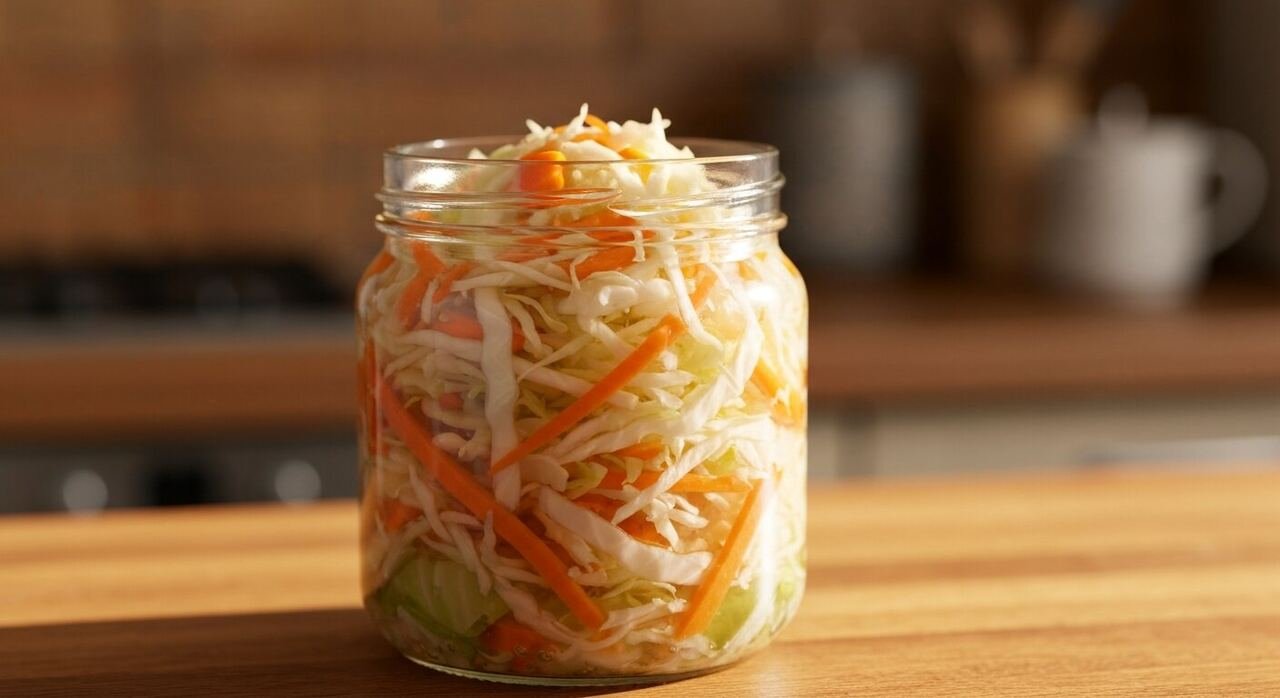
- Then chill it — refrigerating slows the ferment right down, and curtido keeps for weeks, deepening in flavor.
- This is general guidance, not medical advice — anyone with specific health concerns should check with a doctor or dietitian.
Watch It Made
Sometimes one minute of watching beats a page of reading — see the technique in motion, then scroll on for the full recipe card.
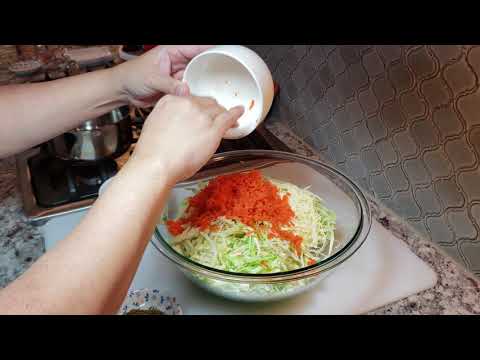
Video walkthrough via YouTube — tap to play (nothing loads until you do).
The Continental Table Recipe
Curtido
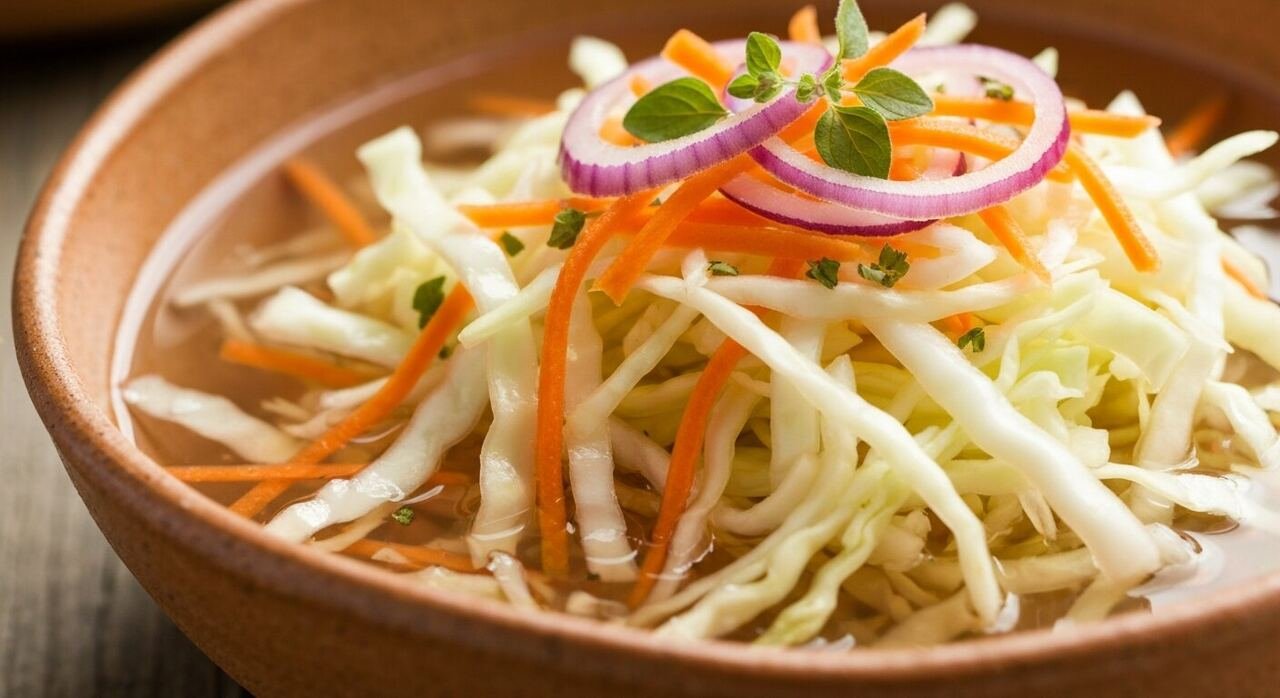
Ingredients
The slaw
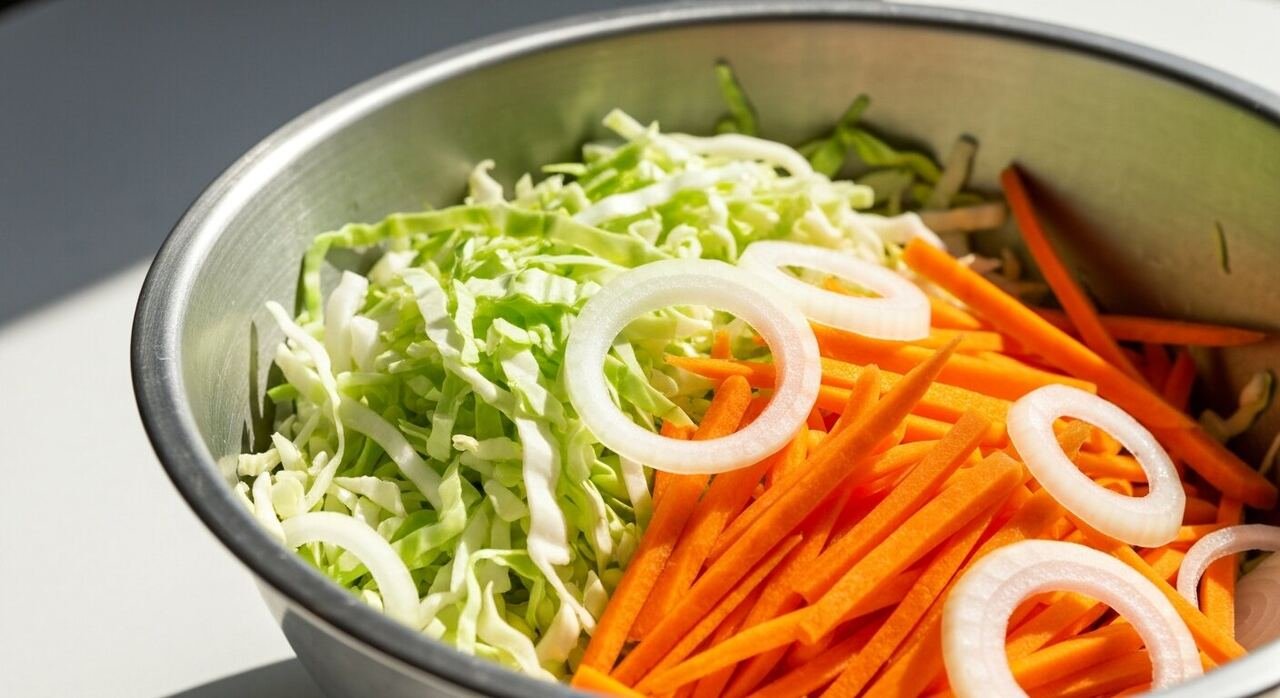
- ½ medium green cabbage, finely shredded
- 2 carrots, grated
- ½ white onion, thinly sliced
- 1 jalapeño, thinly sliced (optional)
- 1 tbsp dried oregano
The brine
- 2 cups warm water
- 1 tbsp fine sea salt (non-iodized)
- Quick version: 1 cup water + 1 cup white vinegar + 1 tbsp salt
Method
- Toss. Combine the cabbage, carrot, onion, jalapeño, and oregano in a large bowl.
- Pack. Press the vegetables tightly into a clean quart jar, pushing out air pockets as you go.
- Brine. Dissolve the salt in the warm water, let it cool, and pour over until submerged. Weigh the vegetables down so nothing floats above the brine.
- Ferment. Cover loosely and leave at room temperature 2 to 3 days, until pleasantly sour and lightly fizzy. Taste daily.
- Chill. Once it tastes right, seal and refrigerate — it keeps for weeks and only improves.
- Or go quick. Skip the ferment: use the vinegar brine, chill at least an hour, and serve.
How to Use Curtido on Everything
Curtido’s home is on top of a pupusa, but that’s just the beginning. Its job — bright, acidic crunch cutting through something rich — makes it a fit for almost anything off the grill or out of the fryer. Pile it on tacos and grilled meats, spoon it over rice and beans, tuck it into sandwiches and burgers, or drape it over fried eggs in the morning. Think of it the way you’d think of sauerkraut or kimchi: a jar in the fridge that makes whatever you’re eating taste more alive.
Your New Fridge Staple
Few things give back as much as a jar of curtido. It costs almost nothing, takes fifteen minutes of actual work, and rewards you for weeks with tang, crunch, and a little gut-friendly goodness. It’s the rare trend that’s also a tradition — a genuinely Salvadoran dish that happens to be exactly what everyone’s looking for right now. Make a jar this week, and it’ll earn its shelf space in your fridge for good.
Quick Answers
What is curtido?
A lightly fermented Salvadoran cabbage slaw with carrot, onion, and oregano in a tangy brine — the classic topping for pupusas.
Is curtido fermented like sauerkraut?
Traditionally, yes — it’s lacto-fermented for a few days. A quick vinegar version is common when you don’t want to wait.
What do you eat curtido with?
Pupusas first, then tacos, grilled meats, beans and rice, sandwiches, and even fried eggs — anywhere you want bright crunch.
Is curtido spicy?
Usually mild. A little sliced jalapeño adds gentle heat that you can dial up or leave out entirely.
How long does curtido keep?
Weeks in the fridge — and the flavor only deepens as it sits.
You might also like


Leave a Reply
Join the conversation
You need an account to leave a comment.