
How to build the ultimate crispy chicken wrap at home — tortilla technique, the four fillings that matter, and a few smart swaps for anyone watching their blood sugar.
There’s a particular kind of disappointment reserved for the soggy wrap. You’ve assembled everything beautifully — seasoned chicken, something crunchy, a sauce that actually tastes like something — and by the time you sit down, the tortilla has turned to damp cardboard and the whole thing collapses on the way to your mouth. We’ve all been there. And most of us blamed ourselves, or the recipe, or the tortilla brand.
Here’s the thing: it’s almost never any of those. A soggy wrap is an architecture problem. And once you understand how the thing is supposed to hold together — structurally, texturally, thermally — a crispy chicken wrap stops being a gamble and starts being repeatable. Let’s talk about how to actually nail it.
Key Takeaways
- Tortilla texture is a technique problem, not a luck problem — and it’s easier to solve than you think.
- The Crunchwrap’s genius is its architecture: a crispy layer inside the fold changes everything.
- Overfilling is the number one reason homemade wraps go soggy before you finish making them.
- If you’re watching your carbs, a few smart swaps keep this meal entirely in play.
- The best crispy chicken wrap has exactly four elements — and only one of them is the chicken.
The Crunch Defense System
| Enemy of crunch | The defense |
|---|---|
| Hot chicken steaming the tortilla | Rest strips on a wire rack 3 minutes before rolling |
| Wet lettuce | Dry it hard; shred fine so it insulates, not soaks |
| Sauce touching the crust | Sauce goes on the tortilla and lettuce — never directly on the chicken |
| Soft tortilla walls | Toast the rolled wrap seam-side down in a dry pan |
What Goes Inside (And What Definitely Should Not)
The instinct, when building a wrap, is to fill it generously. More chicken, more sauce, more of everything. Resist this. An overstuffed wrap is a structural liability — it stretches the tortilla past the point where it can stay taut, which means it goes soft the moment any moisture starts migrating. And moisture always starts migrating.
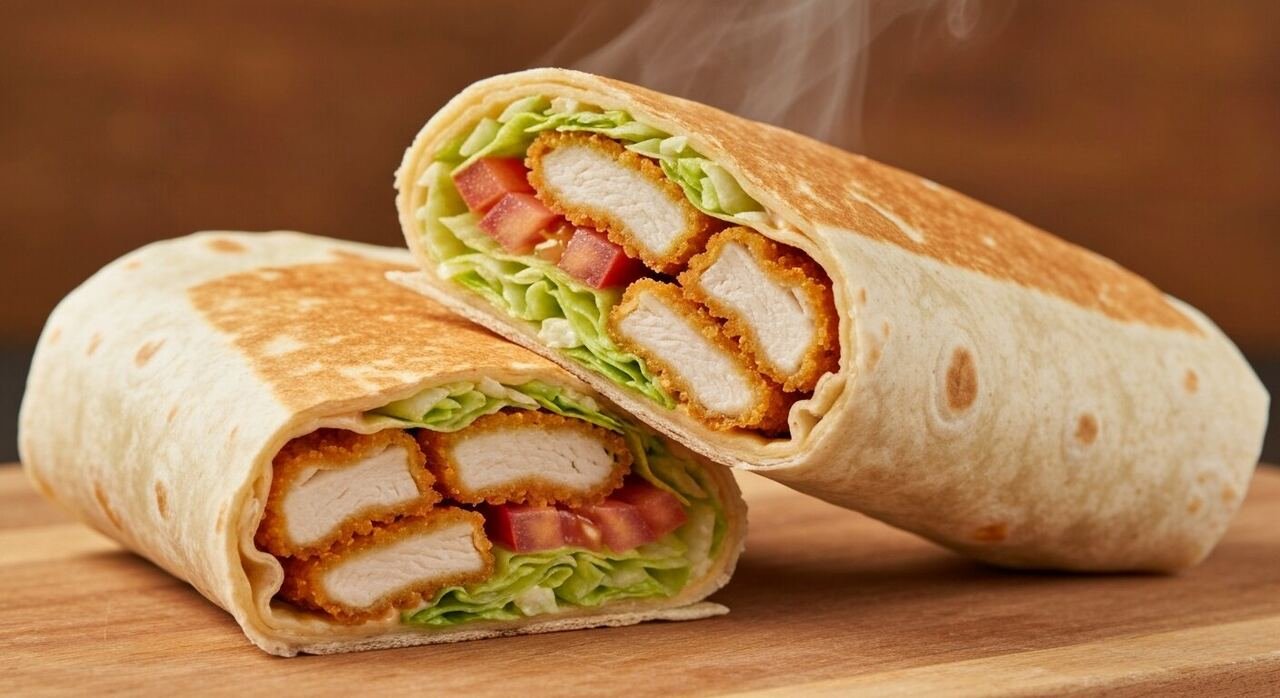
A great crispy chicken wrap has four components that actually matter: the chicken itself, a fat element (cheese, avocado, or a creamy sauce), something with crunch, and something acidic to cut through it all. Shredded lettuce, a handful of sliced jalapeños, a spoonful of sour cream or chipotle mayo. That’s the whole formula. What you’re building is contrast, not volume.
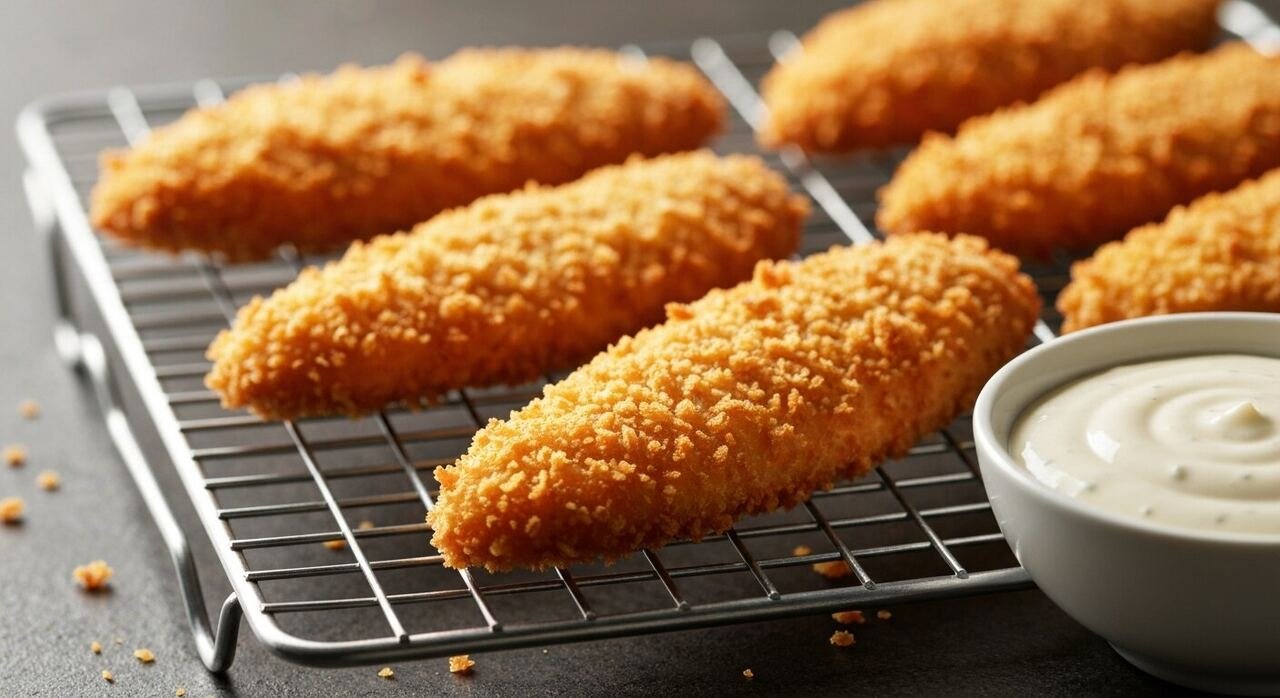
The chicken should be crispy before it goes in. Battered and fried is ideal; panko-crusted and pan-seared works beautifully. Grilled is fine, but it won’t give you the same textural payoff. The wrap cannot rescue chicken that isn’t bringing its own crunch to the party.
“A great wrap is not a vessel for everything you like. It is a compact argument for a specific combination of textures.”
How to Make the Tortilla Actually Crispy
This is where most homemade wraps fall apart — literally. The answer isn’t a special tortilla or a particular brand. It’s heat, and the right timing.
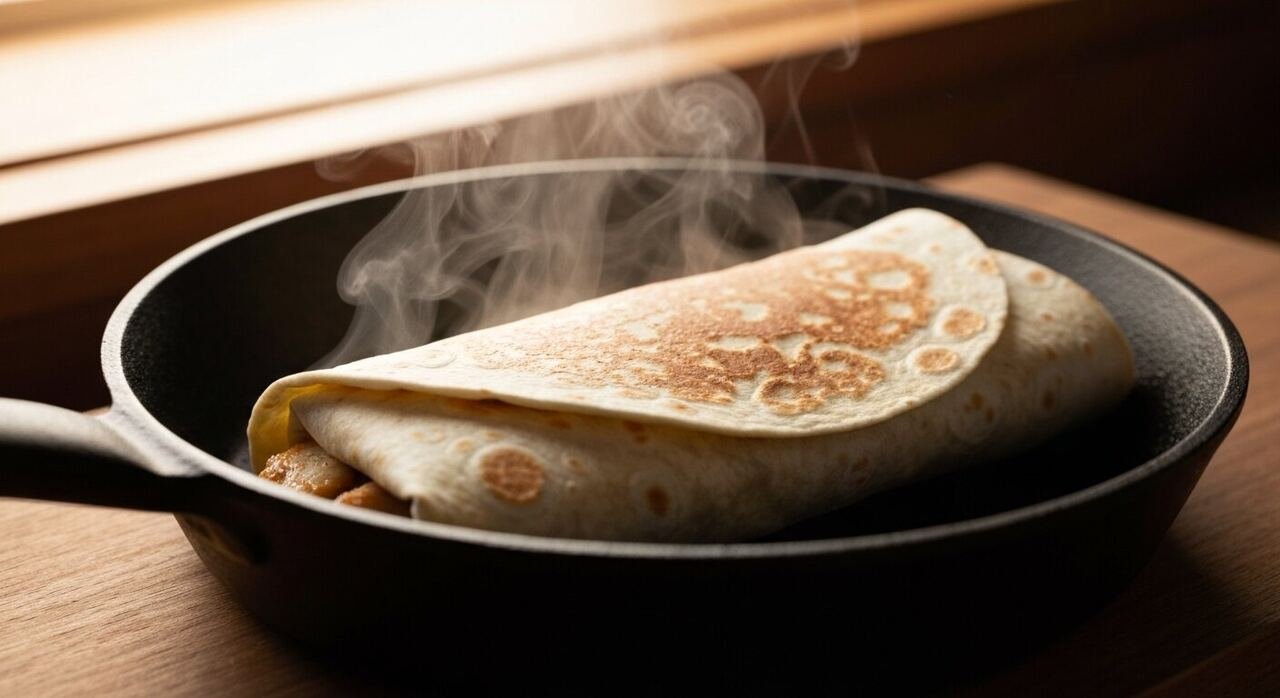
A dry skillet over medium-high heat is your best friend here. Assemble the wrap, fold it closed, then press it seam-side down onto a hot, dry pan. No butter, no oil. You want the tortilla to dry out and blister slightly, not steam. Thirty to forty-five seconds per side is usually enough to get a shell with some real resistance to it — something that audibly crunches when you press on it.
The second technique is borrowed from the Crunchwrap playbook, and it’s one of the cleverer fast-food innovations of the last few decades: put a crunchy element — a tostada shell, a handful of tortilla chips, even a sheet of crispy flatbread — inside the wrap before you fold it. Taco Bell figured out that if you embed the crunch structurally rather than relying on the outer tortilla to carry it, the whole thing holds up much longer. The outer wrap softens, but there’s always that crispy interior layer waiting for you. It’s a small architectural decision with a disproportionately large textural reward.
What You Will Need
Four components, built for contrast. This makes two generous wraps.
Watch It Made
Sometimes one minute of watching beats a page of reading — see the technique in motion, then scroll on for the full recipe card.

Video walkthrough via YouTube — tap to play (nothing loads until you do).
The Continental Table Recipe
Crispy Chicken Wrap
Ingredients
For 2 Wraps
- 2 large flour tortillas (10 inch), or low-carb wraps
- 2 crispy chicken breasts, battered & fried or panko-crusted
- 4 tostada shells or a handful of tortilla chips (the inner crunch)
- ½ cup shredded sharp cheddar or pepper jack
To Finish
- 1 cup shredded romaine, patted dry
- 1 jalapeño, thinly sliced
- ¼ cup chipotle mayo or sour cream
- Juice of half a lime, plus flaky salt
Method
- Build for contrast. Lay out the tortilla and layer chicken, cheese, the crunch layer, romaine, and jalapeño — contrast, not volume.
- Sauce last, sparingly. Add the chipotle mayo in a thin line down the center, never across the whole tortilla, so it can’t pool.
- Dry everything. Pat the lettuce and chicken dry; stray moisture is what turns a wrap soggy.
- Embed the crunch. Tuck the tostada or chips inside before folding so there’s always a crispy interior layer.
- Fold and toast. Press seam-side down on a hot, dry skillet over medium-high heat — no oil — 30 to 45 seconds a side until blistered and audibly crisp.
- Eat within 10 minutes. This is not a make-ahead meal: build it, toast it, eat it.
Nutrition Note
Watching Your Carbs? Here’s How to Adjust
A crispy chicken wrap is absolutely still on the table if you’re managing blood sugar. It just asks for a couple of deliberate swaps — nothing drastic.
- Standard flour tortilla → low-carb whole-wheat wrap, or a large lettuce leaf for a fully grain-free version.
- White rice filler → skip it entirely, or use cauliflower rice if you want the bulk.
- Sweet sauces (honey mustard, BBQ) → chipotle mayo, Greek-yogurt ranch, or avocado crema. All the creaminess, far less sugar.
- Battered fried chicken → air-fried or panko-crusted chicken baked at high heat. Still gets you crunch.
The real enemy of blood sugar here isn’t the chicken — it’s the refined carbs in the wrap and any sugary condiment. Swap those and you have a genuinely satisfying, reasonably balanced meal.
The Soggy Wrap Problem, Solved Once and For All
A few practical rules that’ll change things immediately.
Sauce goes on last, and sparingly. The most common cause of a limp wrap isn’t technique — it’s sauce pooling at the bottom because it was applied too early or too liberally. If you’re using a wet sauce, add it in a thin line down the center, not across the whole surface of the tortilla.
Dry your ingredients. Lettuce straight from a rinse, tomatoes that haven’t been patted dry, even slightly wet chicken — all of these introduce moisture that works against you. A few seconds with a paper towel makes a real difference.
Eat it within ten minutes. A crispy chicken wrap is not a make-ahead meal. The window between ‘just right’ and ‘already sad’ is short. Build it, toast it, eat it. That’s the deal.
Why This Is One of Those Foods Worth Getting Right at Home
There’s something genuinely satisfying about understanding a fast-food format well enough to outperform the original. The Crunchwrap, the classic crispy chicken sandwich wrap, the spicy chicken burrito — these are all iterations of the same underlying idea: crispy protein, creamy element, acid, heat, in something foldable. Once you understand the logic, you can riff endlessly.
And honestly, the homemade version wins on almost every dimension. You control the chicken quality, the sauce heat level, how much crunch you actually want, and whether the whole thing is built for your dietary preferences. The fast-food version gave most of us the blueprint. The home kitchen is where you improve on it.
Start with good chicken. Nail the tortilla technique. Don’t drown it in sauce. The rest is just details.
A crispy chicken wrap that actually stays crispy isn’t a culinary achievement — it’s just a problem that’s been properly understood. The soggy version was never inevitable; it was the result of treating the tortilla as a passive wrapper rather than an active textural component. Treat it like an ingredient, give it some heat, build with contrast in mind, and the whole thing comes together in a way that makes you wonder why you ever ordered it instead.
Quick Answers
How do you keep a chicken wrap crispy?
Rest the fried chicken on a rack, keep sauce off the crust, use dry shredded lettuce as insulation, and toast the rolled wrap seam-side down.
Can I use leftover or store-bought fried chicken?
Yes — re-crisp it in a hot oven or air fryer for 5 minutes first; a soggy strip can’t be saved by any wrap.
What sauce goes in a crispy chicken wrap?
A mayo base sharpened with hot sauce and honey is the classic; ranch, chipotle mayo, or garlic sauce all work — applied to the tortilla, not the chicken.
Why toast the wrap seam-side down first?
Thirty seconds of dry-pan heat welds the seam shut and crisps the shell, so the wrap holds together and adds its own crunch layer.
You might also like
Leave a Reply
Join the conversation
You need an account to leave a comment.